How a Deep Dental Cleaning Can Prevent Tooth Loss
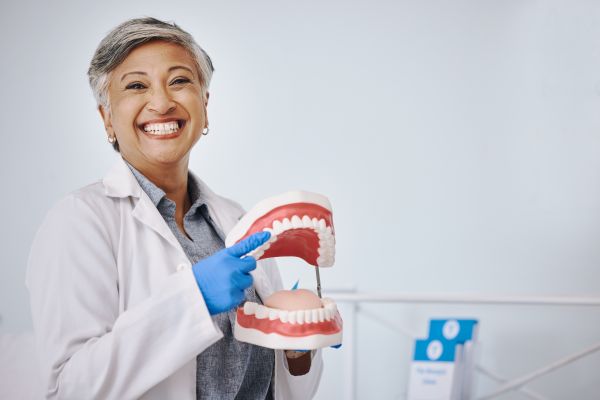
A deep dental cleaning helps protect the smile when gum disease develops. Problems with the gums often start quietly, bringing symptoms that can be easy to ignore: mild bleeding, inflammation, and tenderness. A dentist may recommend these deeper cleanings to remove bacterial buildup beneath the gumline, help the gums heal, and reduce the risk of future tooth loss.
Gum disease and the teeth
Healthy gums should fit snugly around the teeth and protect the roots and supporting jawbone. However, when plaque sits along the gumline, the gums may pull away from the teeth (recede). They can also become red, irritated, and prone to bleeding. This early stage of gum disease, called gingivitis, can be reversed with better home care and a standard dental cleaning.
Unfortunately, without proper care, gingivitis can worsen into proper gum disease (periodontitis). At this point, gum recession will likely worsen, forming deeper periodontal pockets between the gum tissue and the teeth. Deep pockets are prime hiding spaces for bacteria and tartar, since it is difficult to clean them out with a toothbrush.
As bacteria remain in these deeper pockets, inflammation can start to damage the ligaments and bone that hold teeth in place. This can eventually lead to tooth loss. The good news is that with a deep dental cleaning, a dentist can address the source of the inflammation before the damage becomes more difficult to manage.
How a deep dental cleaning reaches below the gumline
A deep dental cleaning is often referred to as scaling and root planing. Scaling removes plaque and hardened tartar from the teeth, including the areas inside periodontal pockets. Next, root planing smooths rough spots on the tooth roots so bacteria have fewer places to cling.
Smoother root surfaces also give irritated gum tissue a better chance to heal. As inflammation goes away, the gums should tighten around the teeth more comfortably. A healthier, tighter seal helps keep food debris and bacteria from settling deep under the gums again.
Signs a patient may need a deep dental cleaning
Gum disease does not always cause pain in the early stages. For that reason, patients may not realize they need treatment until symptoms become more noticeable. A dentist can check gum health during routine exams and measure pocket depth to determine whether a deep dental cleaning may help.
Common signs that may point to gum disease include:
- Bleeding during brushing or flossing
- Red, swollen, or tender gums
- Persistent bad breath or a bad taste
- Teeth that look longer due to gum recession
- Sensitivity near the gumline
- Loose teeth or changes in the bite
By getting a deep dental cleaning as soon as possible, patients can stop gum disease from worsening. That also means preventing tooth loss.
Next steps to support gum health
After a deep dental cleaning, a dentist may recommend gentle brushing, warm saltwater rinses, or an antimicrobial rinse to support better health outcomes. Following a consistent oral hygiene routine is also needed to keep the gums healthy long-term. This includes daily flossing and brushing. Finally, some patients need periodontal maintenance visits every three to four months instead of standard cleanings twice a year. These visits help remove new buildup before it can threaten tooth support again.
Protecting natural teeth for the future
A deep dental cleaning can help stop gum disease in its tracks. This treatment can give the gums a healthier starting point and help protect the structures that keep teeth in place. For more information, contact Safe Harbor Dental today.
Request an appointment here: https://shdentalva.com or call Safe Harbor Dental at (757) 333-0087 for an appointment in our Chesapeake office.
Check out what others are saying about our dental services on Yelp: Root Scaling and Planing in Chesapeake, VA.
Related Posts
Scaling and root planning treats periodontal disease. However, not every case of periodontal disease requires scaling and root planing. This review helps you determine if treatment is necessary for you and discusses how the treatment process works and how to prevent gum disease. Anyone who has signs of a progressive stage of periodontal disease should visit…
In need of a dental deep cleaning and wondering what to expect? General dentistry focuses on ensuring patients' mouths are healthy, which includes deep cleanings. Knowing what to do before and after a deep cleaning helps to support a healthy mouth.Want to understand why a dental deep cleaning is necessary? Also known as scaling and…
It is easy to assume all gum disease is the result of poor oral hygiene. In many cases, it is. However, red or swollen gums can also be an indication of other health concerns completely unrelated to oral care. Because these conditions can be serious, it is important to pay attention to any changes or…
When undergoing a dental appointment, patients can request an oral cancer screening to know if they are at risk of developing the condition. The screenings are meant to detect early signs of the condition before it reaches a more advanced stage.The 5-year survival rate is at about 50 percent, so it is highly vital to…